Top Construction Trends to Watch in 2023
The construction industry is undergoing a significant transformation, driven by technological advancements, sustainability efforts, and changing consumer demands. As we step into 2023, it's crucial for industry professionals, stakeholders, and enthusiasts to stay informed about the latest trends shaping the future of construction. This blog post explores the top construction trends to watch this year, providing insights and practical examples that can help you navigate this evolving landscape.
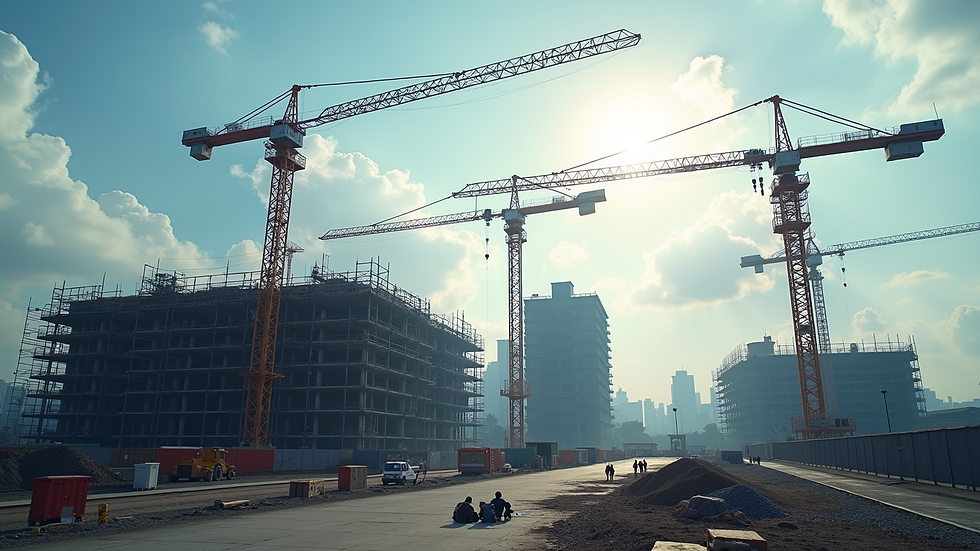
Embracing Sustainable Practices
Sustainability is no longer just a buzzword; it has become a fundamental aspect of construction. In 2023, we see a growing emphasis on eco-friendly building materials and practices. Here are some key areas to focus on:
Green Building Materials
The demand for sustainable materials is on the rise. Builders are increasingly opting for:
Recycled materials: Using reclaimed wood, recycled steel, and other repurposed materials reduces waste and lowers the carbon footprint.
Sustainable concrete: Innovations in concrete production, such as using fly ash or slag, help minimize environmental impact.
Biodegradable insulation: Materials like sheep's wool or cellulose are gaining popularity for their eco-friendly properties.
Energy Efficiency
Energy-efficient buildings are becoming the norm. Key strategies include:
Smart building technology: Integrating IoT devices to monitor energy usage and optimize heating and cooling systems.
Passive design: Designing buildings to maximize natural light and ventilation, reducing reliance on artificial lighting and HVAC systems.
The Rise of Modular Construction
Modular construction is revolutionizing the way buildings are designed and constructed. This method involves prefabricating sections of a building off-site and assembling them on-site. The benefits include:
Faster construction times: With components built simultaneously, projects can be completed in a fraction of the time compared to traditional methods.
Cost savings: Reduced labor costs and minimized material waste lead to significant savings.
Improved quality control: Factory conditions allow for better oversight and consistency in construction quality.
Real-World Example
A notable example of modular construction is the Mighty Buildings project, which uses 3D printing technology to create modular homes. This innovative approach not only speeds up construction but also reduces waste, making it a sustainable option for housing.
Advancements in Construction Technology
Technology continues to play a pivotal role in the construction industry. In 2023, several technological advancements are making waves:
Building Information Modeling (BIM)
BIM is transforming project planning and execution. This digital representation of physical and functional characteristics allows for:
Enhanced collaboration: All stakeholders can access real-time data, improving communication and reducing errors.
Better project visualization: Clients can see a 3D model of their project before construction begins, leading to more informed decisions.
Drones and Robotics
Drones and robotics are becoming essential tools for construction professionals. Their applications include:
Site surveying: Drones can quickly map out construction sites, providing accurate data for planning.
Automated tasks: Robotics can handle repetitive tasks, such as bricklaying or painting, increasing efficiency and safety.
Focus on Safety and Health
Safety remains a top priority in construction. In 2023, we see a renewed focus on health and safety protocols, driven by the lessons learned during the pandemic. Key trends include:
Enhanced Safety Training
Companies are investing in comprehensive safety training programs that incorporate:
Virtual reality (VR): VR simulations provide immersive training experiences, allowing workers to practice safety protocols in a controlled environment.
Regular safety drills: Frequent drills ensure that workers are prepared for emergencies and understand safety procedures.
Mental Health Awareness
The construction industry is recognizing the importance of mental health. Initiatives include:
Support programs: Providing access to mental health resources and counseling for workers.
Promoting work-life balance: Encouraging flexible schedules and time off to reduce burnout.
The Shift Towards Smart Buildings
Smart buildings are becoming increasingly popular as technology integrates into construction. These buildings utilize advanced systems to enhance efficiency and comfort. Key features include:
Automation Systems
Smart buildings often include:
Automated lighting and HVAC: Systems that adjust based on occupancy and environmental conditions, leading to energy savings.
Security systems: Smart surveillance and access control systems enhance safety and monitoring.
Data-Driven Insights
With the rise of smart buildings, data collection and analysis are crucial. Building managers can use data to:
Optimize energy usage: Identifying patterns in energy consumption helps reduce costs.
Improve occupant comfort: Feedback from occupants can guide adjustments to building systems.
Conclusion
As we navigate through 2023, the construction industry is poised for significant change. From sustainable practices and modular construction to advancements in technology and a focus on safety, these trends are shaping the future of building. Staying informed and adapting to these changes will be essential for professionals in the field.
To thrive in this evolving landscape, consider how you can incorporate these trends into your projects. Whether it’s embracing sustainable materials, leveraging technology, or prioritizing safety, the future of construction is bright for those willing to innovate and adapt.
Comments