Choosing the Right Roofing Material for Your Home

When it comes to home improvement, few decisions are as crucial as selecting the right roofing material. Your roof is not just a protective barrier against the elements; it also plays a significant role in your home's overall aesthetic and energy efficiency. With so many options available, how do you choose the best roofing material for your needs? This guide will help you navigate through the various types of roofing materials, their benefits, and considerations to make an informed decision.

Understanding Your Options
Before diving into the specifics of each roofing material, it’s essential to understand the primary categories available. Here are the most common types:
Asphalt Shingles
Asphalt shingles are one of the most popular roofing materials in North America, accounting for nearly 80% of residential roofs. They are favored for their affordability, ease of installation, and variety of styles.
Pros:
- Cost-effective
- Available in various colors and styles
- Easy to install and repair
Cons:
- Shorter lifespan (15-30 years)
- Can be less durable in extreme weather conditions
Metal Roofing
Metal roofing has gained popularity due to its longevity and durability. Made from materials like steel, aluminum, or copper, metal roofs can last 40-70 years with proper maintenance.
Pros:
- Extremely durable and resistant to extreme weather
- Energy-efficient (reflects solar heat)
- Available in various styles and colors
Cons:
- Higher initial cost
- Can be noisy during rain or hail
Wood Shingles and Shakes
Wood shingles and shakes offer a natural aesthetic that appeals to many homeowners. They are typically made from cedar, redwood, or pine.
Pros:
- Attractive and natural appearance
- Good insulation properties
Cons:
- Requires regular maintenance (e.g., sealing, staining)
- Vulnerable to fire and insect damage
Slate Roofing
Slate roofing is known for its beauty and longevity. This natural stone material can last over 100 years, making it a long-term investment.
Pros:
- Extremely durable and long-lasting
- Fire-resistant and low maintenance
Cons:
- Very heavy (may require additional structural support)
- High cost of installation
Tile Roofing
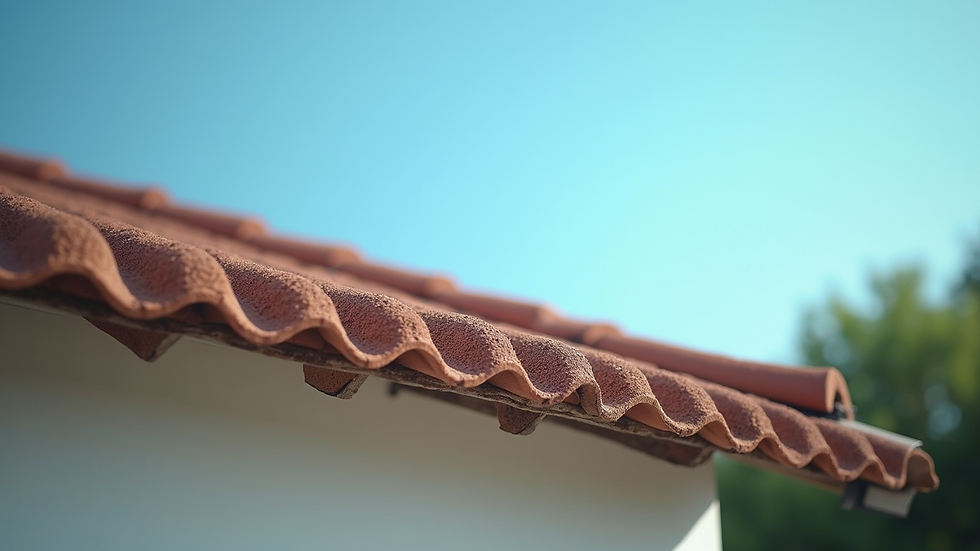
Tile roofing, often made from clay or concrete, is popular in warmer climates. It offers a distinctive look and excellent durability.
Pros:
- Long lifespan (50+ years)
- Energy-efficient and fire-resistant
Cons:
- Heavy (may require reinforcement)
- Higher installation costs
Factors to Consider
When choosing the right roofing material, several factors should influence your decision:
Climate
Your local climate plays a significant role in determining the best roofing material. For example:
In areas with heavy snowfall, a metal roof may be ideal due to its ability to shed snow.
In hot climates, tile roofing can help keep your home cool.
Budget
Your budget will significantly impact your choice of roofing material. While some materials like asphalt shingles are more affordable upfront, others like slate or metal may offer long-term savings due to their durability and energy efficiency.
Aesthetic Appeal
Consider the architectural style of your home. Certain materials may complement your home’s design better than others. For instance, wood shingles may suit a rustic cabin, while metal roofing can enhance a modern home’s sleek lines.
Longevity and Maintenance
Evaluate how much time and money you are willing to invest in maintenance. Some materials require regular upkeep, while others are more low-maintenance.
Energy Efficiency
Energy-efficient roofing materials can help reduce your energy bills. For example, metal roofs reflect solar heat, while tile roofs provide excellent insulation.
Making the Decision
Once you’ve considered the factors above, it’s time to narrow down your options. Here’s a step-by-step approach to help you make the final decision:
Research Local Building Codes: Ensure your chosen material complies with local regulations and building codes.
Consult with Professionals: Speak with roofing contractors to get their insights on the best materials for your home and climate.
Get Multiple Quotes: If you decide to hire a contractor, obtain quotes from several companies to compare prices and services.
Consider Warranties: Look into the warranties offered by manufacturers and contractors. A strong warranty can provide peace of mind.
Conclusion
Choosing the right roofing material for your home is a significant decision that requires careful consideration of various factors, including climate, budget, and aesthetic appeal. By understanding the different types of roofing materials available and their respective advantages and disadvantages, you can make an informed choice that enhances your home’s value and protects it for years to come.
Take the time to research and consult with professionals to ensure you select the best option for your unique needs. Your roof is an investment in your home’s future, so choose wisely!

Comments